
For Immediate Release
Contact: Daniel Wackershauser, Marketing and PR Specialist
Phone: 608.822.2303
Mail: 1800 Bronson Blvd., Fennimore, WI 53809
Date of Release: September 3, 2026
Lancaster partnership builds a home, careers and community
Lancaster -For Southwest Wisconsin Technical College Building Trades-Carpentry students, a new home under construction in Lancaster will be much more than another class project. It will be their classroom.
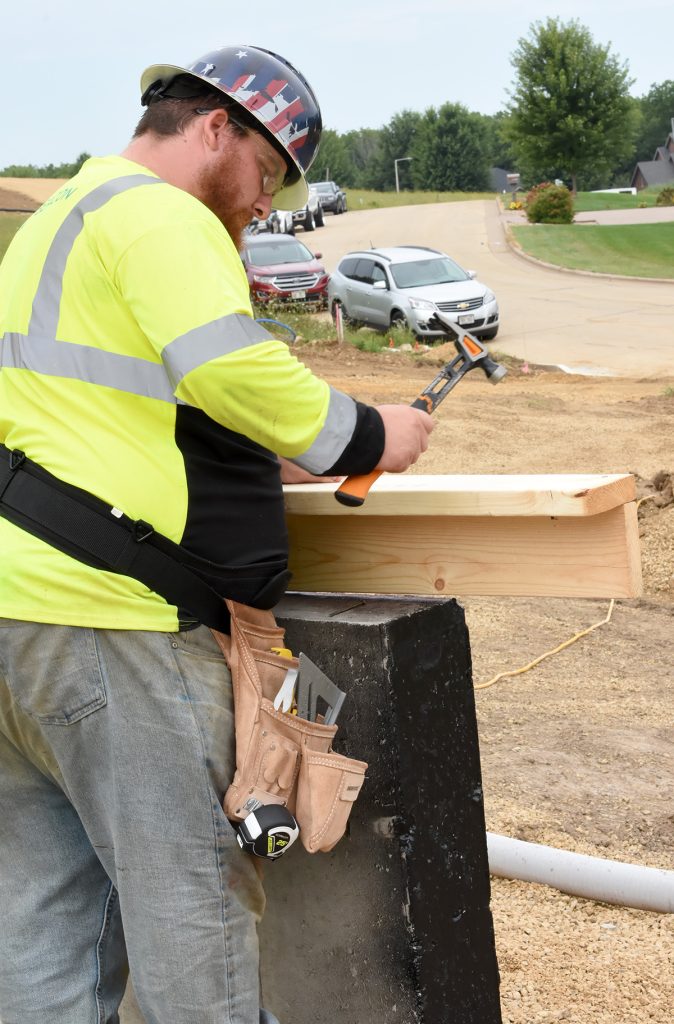
Southwest Tech students are beginning work on a residential construction project, located at 623 Newbury Circle, that brings together the college, the City of Lancaster, the It’s a Great Day in the City of Lancaster Fund, Duncan Construction, local developers, contractors and other community partners. This unique public-private partnership gives students an opportunity to apply their skills on an active construction site while experiencing the coordination, scheduling and problem-solving required to take a house from plans to completion.
“This is going to be a great opportunity,” said Dan Imhoff, Southwest Tech executive director of facilities, safety and security. “Our students will gain valuable hands-on experience while helping address a real need for housing in Lancaster and throughout the surrounding area.”
The project represents a new model for Southwest Tech’s Building Trades-Carpentry program. Students have previously constructed duplexes on campus, but the Lancaster project introduces additional complexities, including a basement, greater building height and a larger, more complex roof.
“Anytime we can do something where the students get that hands-on experience, we are all about it,” said Dr. Jeremy Pickard, Southwest Tech president. “If you can do that and also help solve some of the issues that our communities are facing, and housing is one of those, it’s a win-win situation. We’re all about partnerships.”
Instructor Andy Reynolds said his 13 students have been preparing in the classroom and shop before transitioning to the job site. That preparation includes blueprint reading, layout work, safety instruction and equipment training. “There’s going to be a lot of learning on the job site,” he said. “I’ll be working right with them, so I’m going to be teaching a lot as we’re doing it.”
The house is planned as a one-story home with a walkout basement and just under 2,000 square feet of finished space on the main level. Students will participate in numerous stages of construction, including floor systems, walls, roofing and interior work. Duncan Construction and other subcontractors will work alongside the program, allowing students to learn particular skills, before professionals help move portions of the project forward and keep construction on schedule.
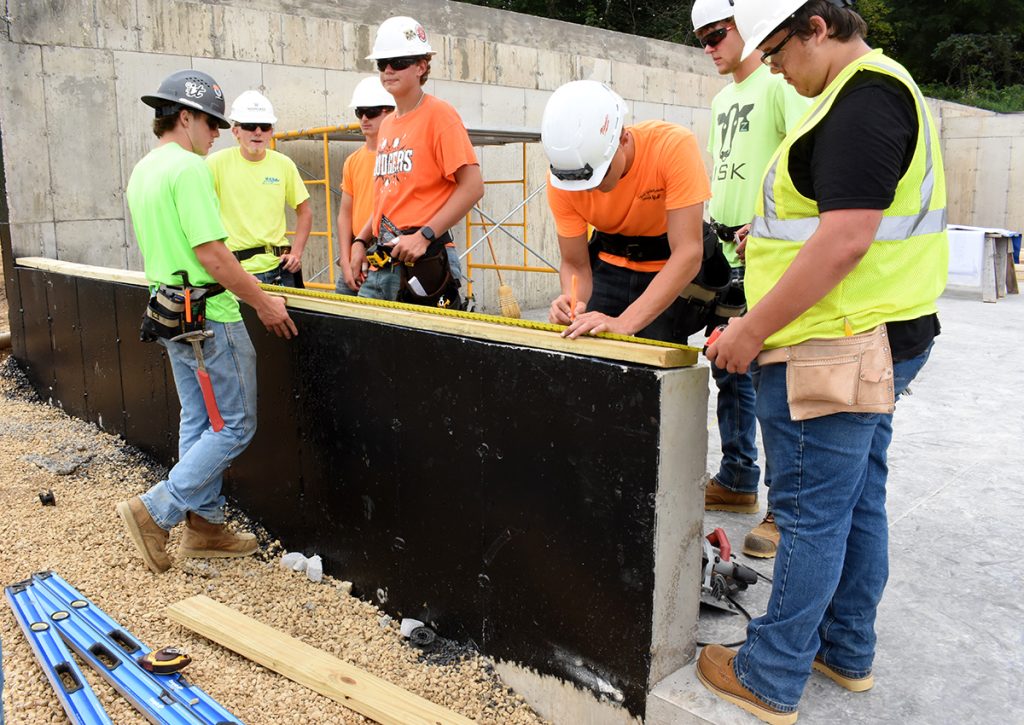
“We’re not a contractor going in there trying to knock this out,” said Reynolds. “I’ve got to teach my students. That’s the main goal, teaching students.”
That distinction has been embraced by the project’s partners. “What sets this project apart is the real-world training it is providing Southwest Tech students,” said Michael Kuchta, Lancaster city administrator. “That’s why everyone is so committed. There are a lot of unknowns, and some risks, but everyone is looking at this optimistically.”
The city is providing the construction financing through the It’s a Great Day in the City of Lancaster Fund, which supports housing and economic development initiatives. Kuchta said the project’s impact could extend well beyond the home itself. “On the surface, we’re investing in a house,” he said. “But what we are really doing is investing in workers whose skills can benefit the city, our residents and our businesses for years to come.”
Bruce Fritz, a member of the It’s a Great Day in the City of Lancaster Fund Committee who helped organize the project, said the fund was created as a way for people to make tax-deductible contributions to the city that could then be invested in projects designed to help Lancaster grow. “We wanted to make a gift to Lancaster with the expectation it would help Lancaster grow,” he said. “New housing is a perfect example.”
The committee recommends to the city how the funds can be used to provide the greatest community benefit. Previous funding has helped support a new 40-unit apartment complex in Lancaster’s industrial park, while the current focus includes single-family housing in the Newberry Knoll subdivision.
Fritz said the model is intentionally designed to be sustainable. When the Newberry Knoll home is sold, proceeds will return to the Great Day in Lancaster Fund, allowing those dollars to be invested again in future community projects. “Helping Lancaster means that our builders and subcontractors have work, too,” he said.
The partnership with Southwest Tech developed through another connection. Fritz and his wife, Sue, had been working with the college on scholarships when they recognized that Southwest Tech’s Building Trades-Carpentry program could be a natural fit for the housing project. “It became clear to both of us that the building trades instructors and students might be a good match,” he said.
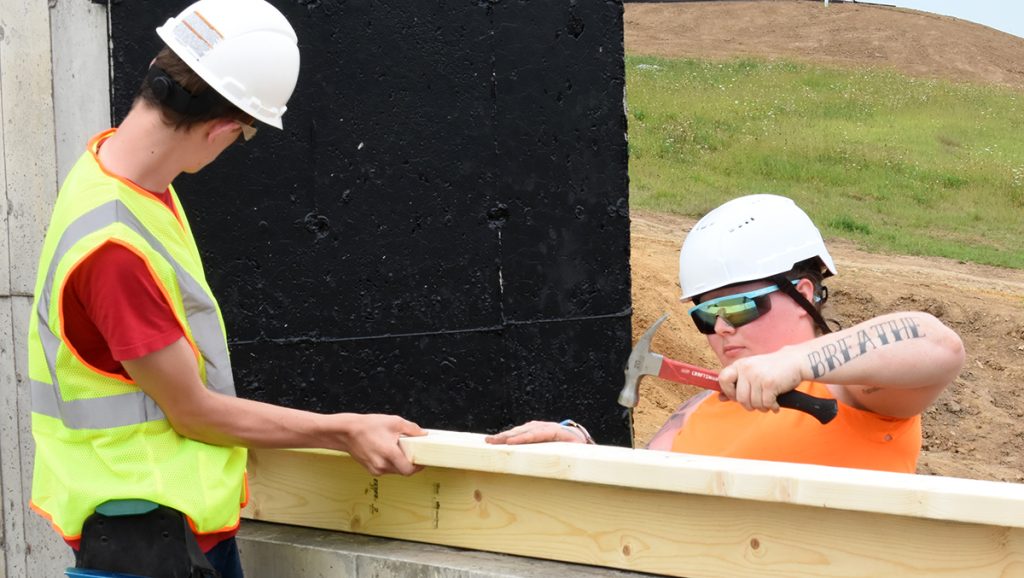
That connection became even stronger when Duncan Construction, the project’s general contractor, hired a graduate of Southwest Tech’s Building Trades-Carpentry program. “How cool is that?” said Fritz.
For Fritz, the collaboration demonstrates the long-term value of technical education. He compared it to the familiar proverb about teaching someone to fish rather than simply giving them a fish. “Southwest Tech does exactly this,” he said. “This project is similar, as it is intended to be sustainable.”
That workforce component is particularly important as area contractors continue to seek skilled employees. Connecting students with contractors on an active job site can expose them to potential employers while giving businesses an opportunity to help develop the region’s future workforce.
Will Schacht, whose real estate development company is involved in the project, said the company made the building lot available at a reduced rate. In addition, Eastman Cartwright Lumber Co., of which he is the owner, is supplying building materials and helped design the home to fit the property. “It’s the first of a kind on our part working with the college on a building project,” he said. His goals are straightforward: “Build a quality house at an affordable price,” while giving college students “a good workplace to learn their trades.”
Duncan Construction is coordinating permits and subcontractors and making sure materials are ready for students as construction progresses. “I think it is important to have our youth be involved with hands-on trades,” said Gary Duncan, partner in Duncan Construction. “We, as a society, are lacking in workers in this field, as well as others.”
Duncan knows firsthand the value Southwest Tech graduates can bring to the industry. His company currently employs a former Building Trades-Carpentry student. “The sense of accomplishment the students will have upon completion of the project will be an important milestone in their careers,” said Duncan.
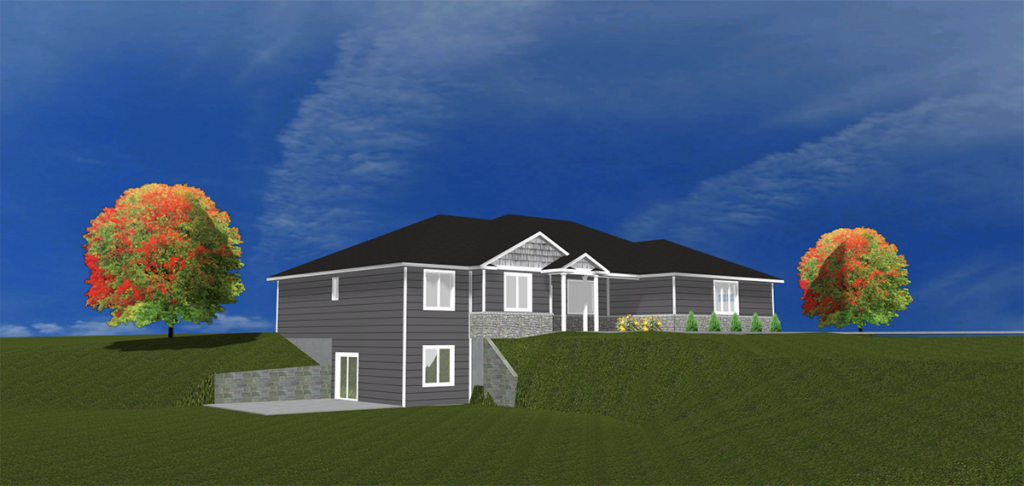
Ken Johnson, an architect and member of the It’s a Great Day in the City of Lancaster Fund Committee, has provided pro bono design review and said the project has grown into something larger than simply adding another house to Lancaster. “This project has evolved into a true collaboration between the city and its committee, the builders and Southwest Tech, to provide housing opportunities, technical career opportunities and financial incentives,” he said.
Johnson said the project could also serve as a prototype for future partnerships. “More than just creating houses or apartments for sale or rent, this has become a project that not only provides housing opportunities, but provides career opportunities for students,” he said.
Students are expected to work on the project throughout the academic year, with substantial completion targeted around graduation in May. If the model proves successful, partners see opportunities to continue similar projects on additional lots in the subdivision.
For Reynolds, success will ultimately be measured by what his students take away from the experience. “It’s going to be a benefit for the students because the students are going to learn,” he said. “I just think it’s a win-win situation for everybody.”
And unlike a simulated project, students will see firsthand how all the pieces of residential construction fit together; from blueprints and scheduling to contractors, materials, deadlines and the finished home.
As Reynolds tells his students, technical skills can be taught. The willingness to learn has to come from them. “I can teach everything in carpentry,” he said, “but I can’t teach ambition.”